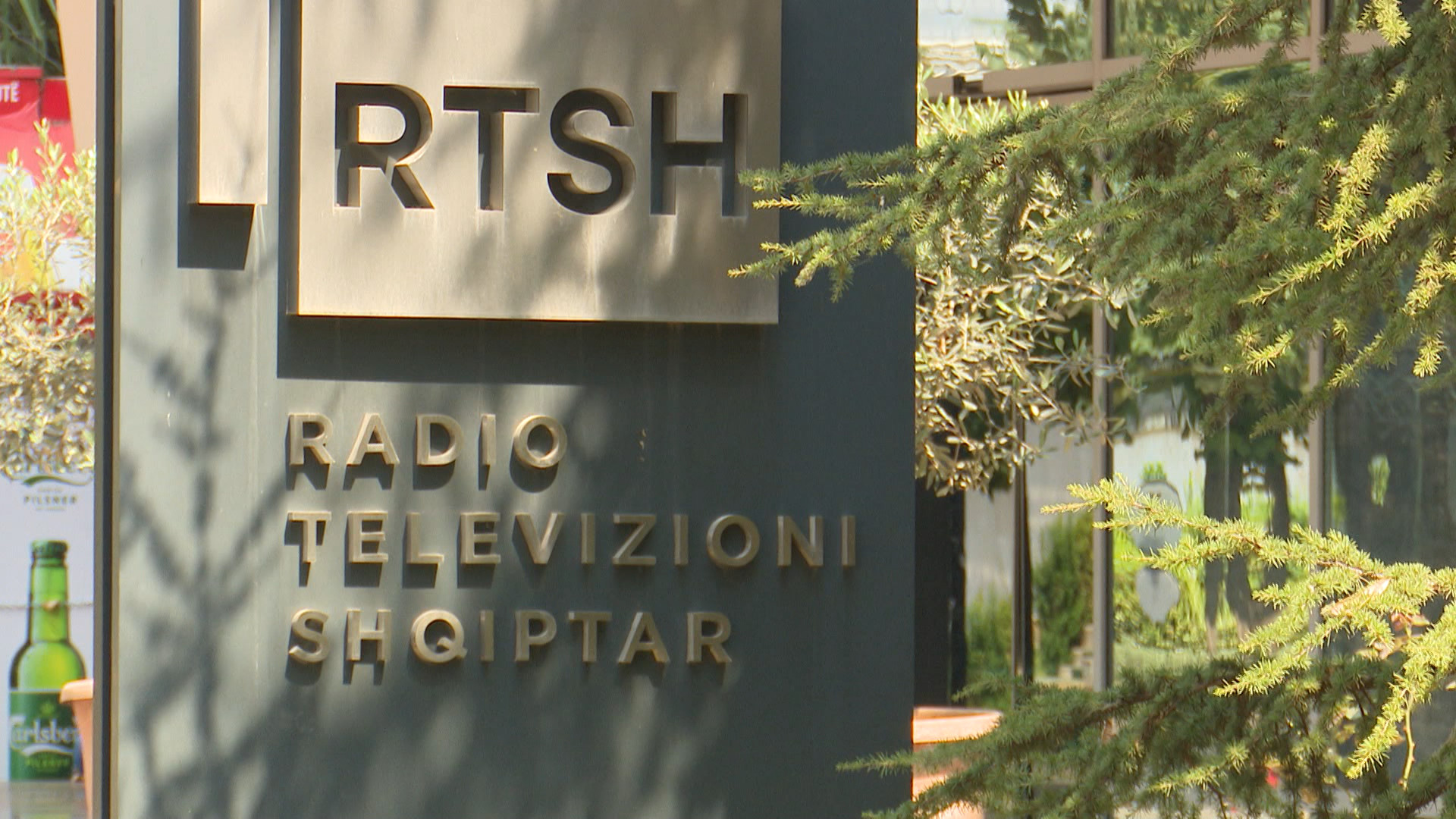
The Albanian public broadcaster, Radio Televizioni Shqiptar (RTSH), has published its Annual Report for 2025, outlining developments in institutional reform, financial performance, editorial work, and digital transformation. The report reflects efforts to stabilise the institution and initiate long-term reforms, but also highlights a number of structural challenges affecting governance, transparency, and the fulfilment of its public service role.
RTSH reports a series of internal reforms during 2025, including the adoption of new regulations on ethics, conflict of interest, complaints procedures, and employment relations. The broadcaster also initiated a broader reform process with the support of the European Broadcasting Union (EBU), alongside work on a new Strategic Plan for 2026–2028.
However, the report places significant emphasis on future reforms, while providing limited evidence on the concrete impact of these changes during 2025. This makes it difficult to assess whether institutional independence and editorial standards have improved in practice.
The report acknowledges structural weaknesses in the financing model of RTSH. The broadcaster remains highly dependent on public funding, with the majority of revenues coming from the licence fee collected through electricity bills and direct state budget support.
While this model provides a degree of financial stability, it raises concerns about long-term sustainability and independence. The licence fee has remained unchanged for years, and reliance on annual budget allocations exposes the institution to uncertainty and potential external influence.
Although RTSH operates under a formal framework that includes a Code of Ethics and internal regulations, the report provides limited data on how these standards are implemented. There is no structured information on editorial complaints, internal oversight mechanisms, or cases where journalists may have faced pressure. Without such data, it remains unclear to what extent editorial independence is effectively guaranteed in practice.
One of the most significant parts of the report is the inclusion of internal audit findings. These identify serious weaknesses in contract management, advertising practices, and project selection processes. Issues include non-standardized contracts, lack of centralized records, unpaid obligations, and the use of exchange contracts without clear valuation. In the area of artistic and film projects, audit findings point to a lack of competition, unclear criteria, and risks of conflict of interest. These findings go beyond administrative shortcomings and suggest potential risks to the integrity of public fund management and institutional governance.
RTSH highlights digital transformation as a strategic priority, but the report shows that progress remains uneven. Investments in infrastructure are limited, and the broadcaster acknowledges that current resources are insufficient to support full digital development. A cyber incident in May 2025 exposed vulnerabilities in RTSH systems, though the report provides limited details on its impact or the measures taken in response. At the same time, the report offers little insight into RTSH’s positioning in the digital media landscape, including audience engagement, online distribution, or a strategy for reaching younger audiences.
The report outlines improvements in internal regulations and staff management, but does not address in depth the working conditions of journalists. There is no structured information on professional pressures, safety, or internal complaint mechanisms. Audit findings also highlight inconsistencies in contractual practices, particularly regarding freelance and honorarium-based work, raising concerns about stability and professional independence.
More detailed analysis of the report is available in SCiDEV’s assessment, as the Albanian Parliament is expected to proceed with hearings and adopt a resolution on RTSH.